 FabFiligree
Heritage · GI No. 53
A craft carried hand to hand for two centuries.
The best-documented account begins with one travelling goldsmith and a technique practised behind the doors of his house. It grows into a community, a cooperative, and a protected name.
Elgandal, and a guarded secret
Karimnagar sits on the River Manair in northern Telangana, in country that has passed through the Satavahanas, Kakatiyas, Qutb Shahis, Mughals and the Asaf Jahi Nizams. The craft’s recorded story credits Kadarla Ramayya, an expert goldsmith of Elgandal near Karimnagar, with bringing filigree to the region — a technique he is said to have picked up on his travels in the South and first practised in secrecy at home. Government and academic sources place this roughly two centuries ago; when the district headquarters moved from Elgandal fort to Karimnagar town in 1905, the craft moved with it.
Courtly patronage
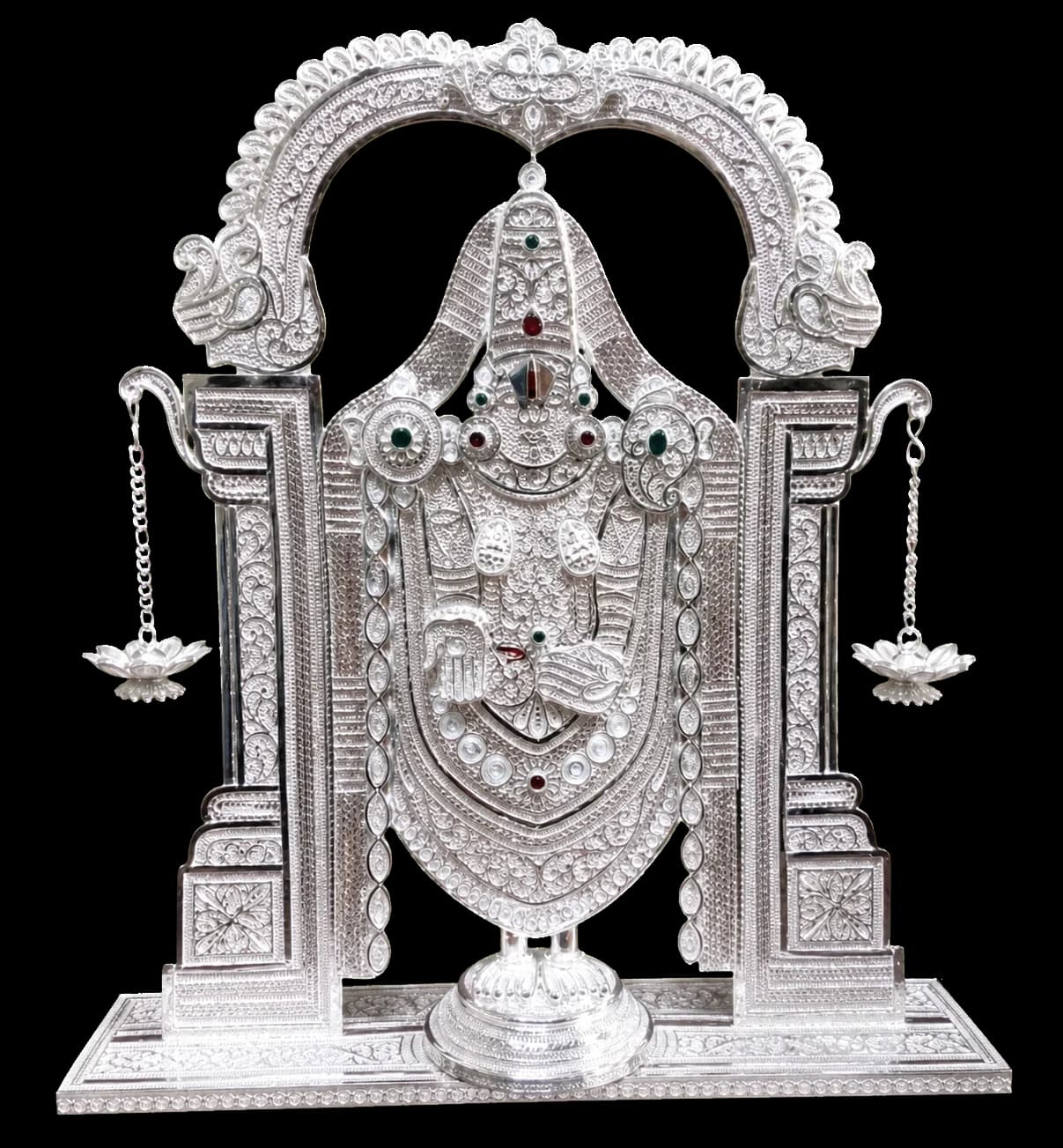
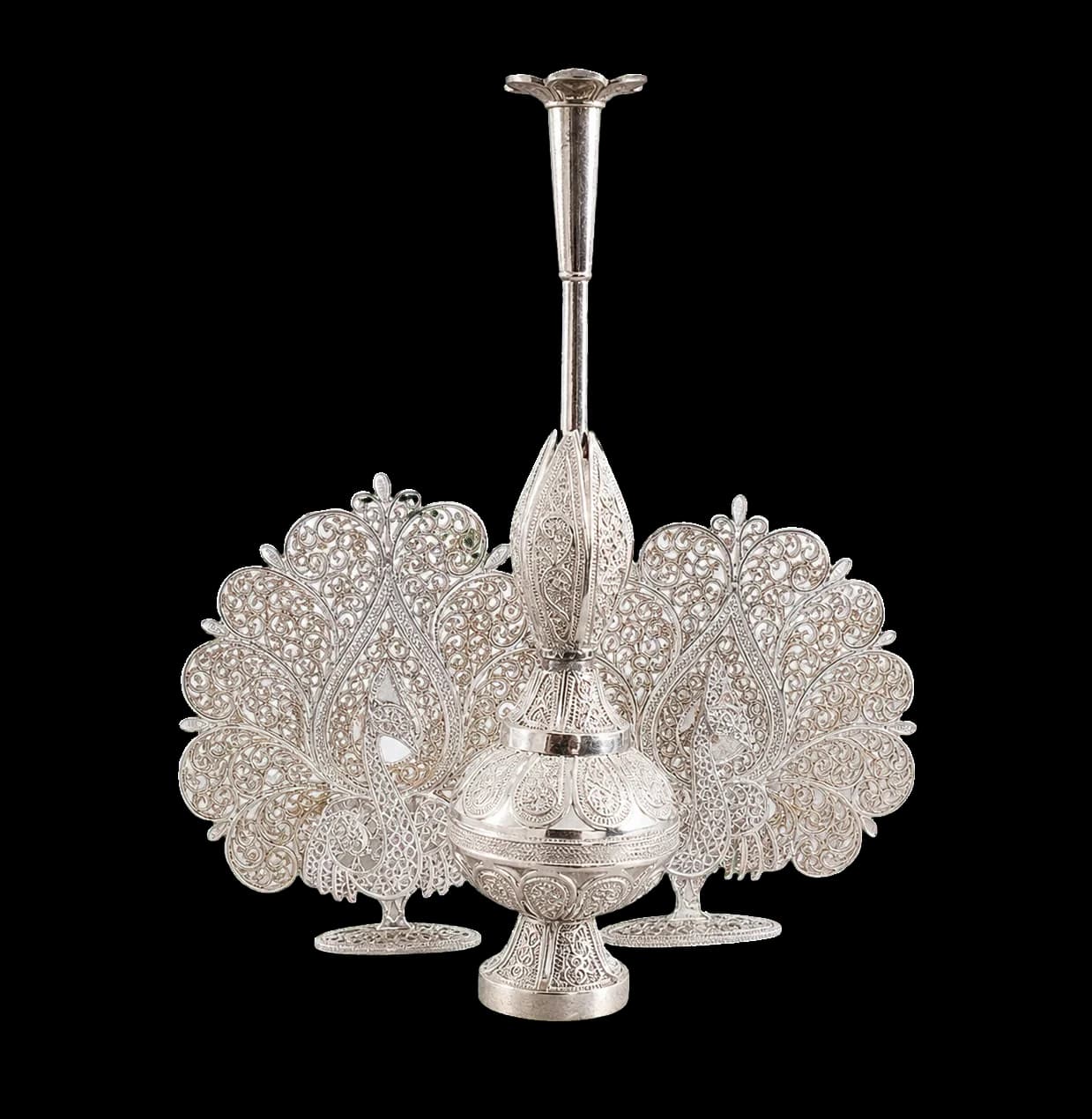
Under the princely Hyderabad State, filigree flourished on commissions: zamindars ordered presentation pieces for social occasions, and silver filigree articles travelled in dowries. The work of these decades — attardans, pandans, trays and shrines — now sits in museum cabinets, including the Salar Jung Museum’s collection in Hyderabad.
A skilled craftsman “can hardly turn out a work of 10 grammes in a day of 8 hours.” — GI application record
Revival by cooperative
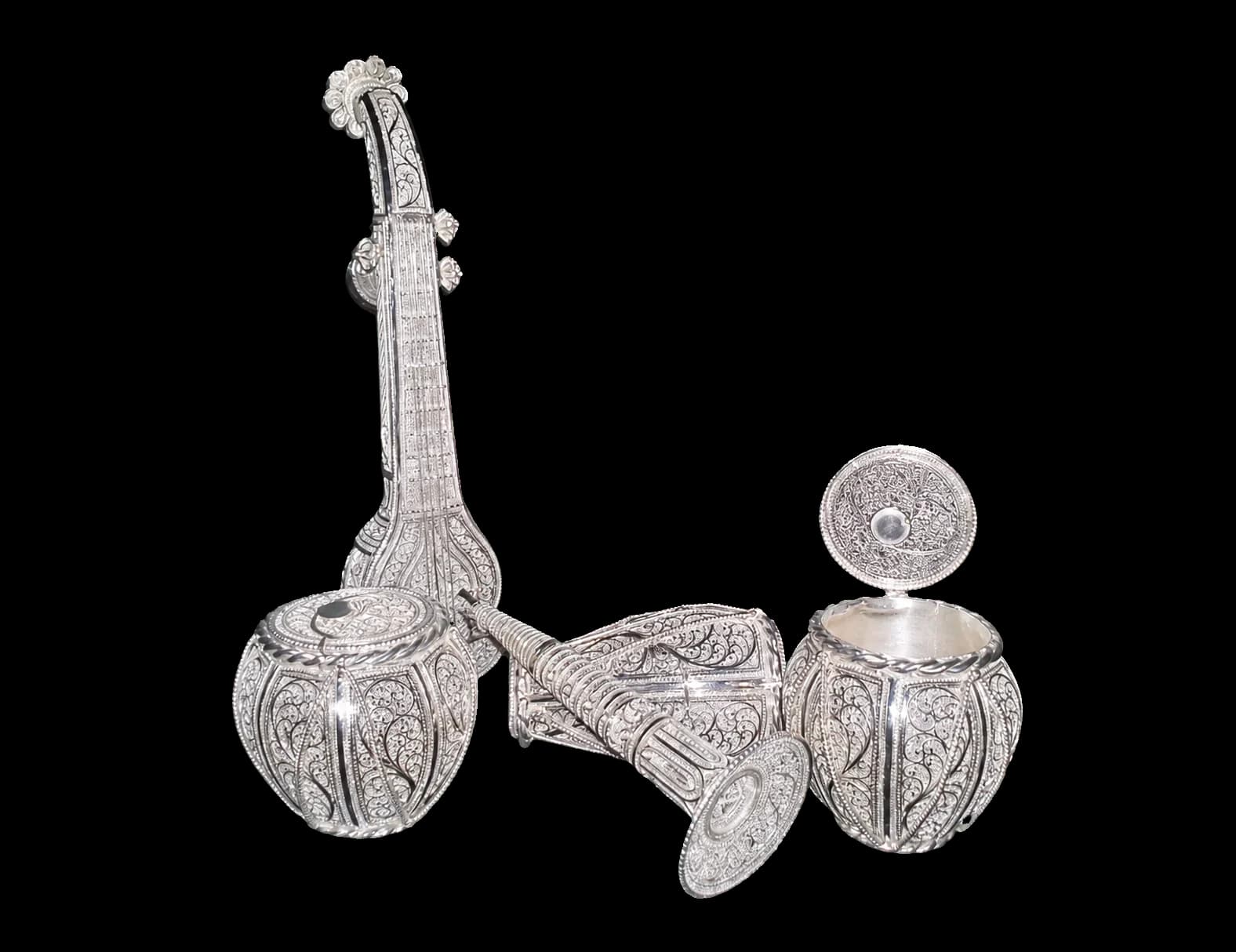
After 1947 the craft faltered, and it was a cooperative movement in the mid-1950s that carried it forward. Half a century later the community formalised what everyone in Karimnagar already knew: on 16 May 2007, Karimnagar Silver Filigree received Geographical Indication registration No. 53 — legal recognition that this work, from this place, by these families, is its own thing. The GI record stresses that authentic Karimnagar work is done entirely by hand.
The craft today
The makers are largely hereditary Vishwakarma goldsmith families, whole households working long days together — wire-drawing at the bench, design-setting largely in the hands of the women. The craft has been celebrated on national stages and pressed hard by record silver prices in the same decade. That tension is exactly why provenance-first buying matters: every purchase here is attributed to its workshop and paid at a price the piece’s verified weight and hours can stand behind.